
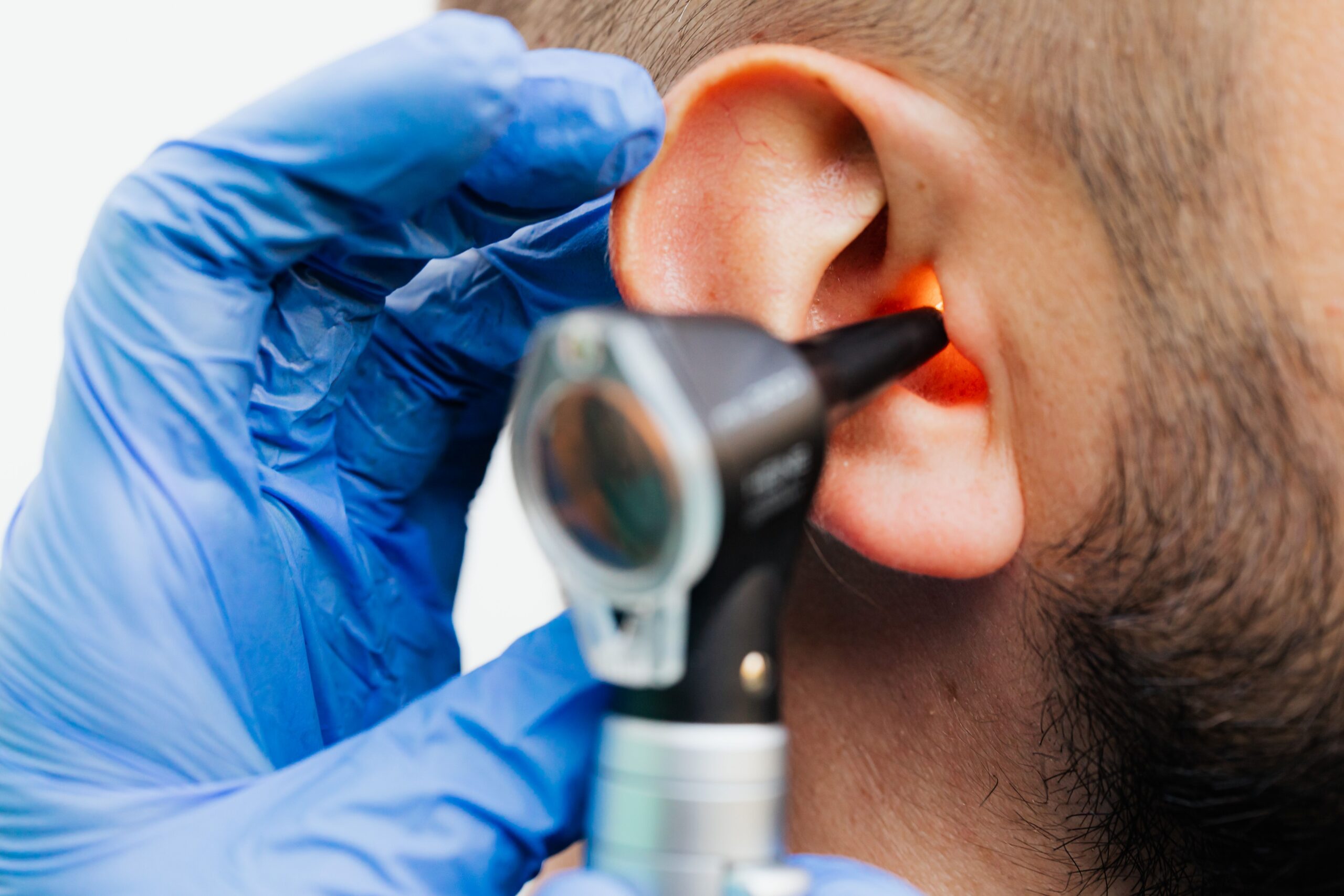
Short answer: Yes, tinnitus can be approved as a consequential condition tied to an EEOICPA hearing loss claim — but only after your hearing loss claim is approved first, and only with a signed medical statement from an MD or DO explaining how your hearing loss causes or contributes to your tinnitus. A hearing test result or audiogram alone will not satisfy DOL.
If you’ve already secured approval for Bilateral Sensorineural Hearing Loss (BSHL) under EEOICPA, you may be dealing with related symptoms too — ringing in the ears, balance problems, vertigo, or trouble following conversations in noisy rooms. Tinnitus is the most common of these secondary conditions, and while it seems like common sense that DOL would approve it alongside hearing loss, the program treats it like any other consequential condition: with strict documentation requirements.
What DOL Requires to Approve a Tinnitus Claim
For a tinnitus claim to move forward, the Department of Labor needs two specific pieces of evidence in your medical record:
- A formal diagnosis of tinnitus, documented in an office visit note — not just a mention in passing.
- A date of diagnosis, so DOL can establish when the condition was first identified.
Beyond that, DOL wants a written medical opinion — signed and dated by an MD or DO — that directly addresses the causal link. It’s not enough for a doctor to note that you have both hearing loss and tinnitus. The statement needs to explain how the hearing loss causes, contributes to, or aggravates the tinnitus.
How Hearing Loss Causes Tinnitus
This is the part most claimants (and even some doctors) skip over, and it’s worth understanding so you can help your physician write a stronger statement.
When the sensory hair cells in the inner ear are damaged, they send fewer sound signals to the brain. Rather than simply registering silence, the brain compensates by increasing its own neural sensitivity — effectively turning up its internal “volume” to make up for the missing input. Medical literature, including a Harvard Health overview and a peer-reviewed study published via the National Library of Medicine, describes this as a form of sensory compensation: the auditory system becomes hyperactive in the frequency ranges where hearing has been lost, generating spontaneous neural activity that the brain interprets as ringing, buzzing, or hissing. This is also why the pitch of a person’s tinnitus so often matches the specific frequency range of their hearing loss — the brain is “filling in” the gap.
This mechanism is well documented, but DOL still wants it stated in your own medical record, not just cited from a general article. That’s the gap most claims fall into.
How to Strengthen Your Claim
If you’re pursuing a tinnitus claim connected to an already-approved hearing loss claim:
- Schedule an appointment with your ENT or primary care physician specifically to document the tinnitus diagnosis and date of onset.
- Ask your doctor for a written statement explaining the causal relationship between your hearing loss and tinnitus — using the sensory-compensation explanation above as a starting point, if helpful.
- Provide supporting references. A copy of the Harvard Health article and the NIH-published study can be given to your doctor as backup and forwarded to DOL alongside the statement.
- Make sure the statement is signed and dated by an MD or DO. Audiologist notes, while useful, won’t satisfy DOL’s requirement on their own.
Frequently Asked Questions
Can I file for tinnitus at the same time as my hearing loss claim? You can, but our experience is that it usually works better for claimants to secure hearing loss approval first, get fitted for hearing aids, and then circle back to file for tinnitus and other consequential conditions.
Will an audiogram alone get my tinnitus claim approved? No. DOL requires a formal diagnosis and date in an office visit note, plus a signed medical opinion connecting the tinnitus to your hearing loss.
What other conditions are considered consequential to hearing loss? Balance issues, vertigo, and speech difficulties are commonly claimed alongside tinnitus and generally require the same type of medical documentation.
To learn more about hearing loss EEOICPA claims, refer to our previous blog post EEOICPA And Hearing Loss Claims.